Easy PC Optimization and Gaming Setup Guide
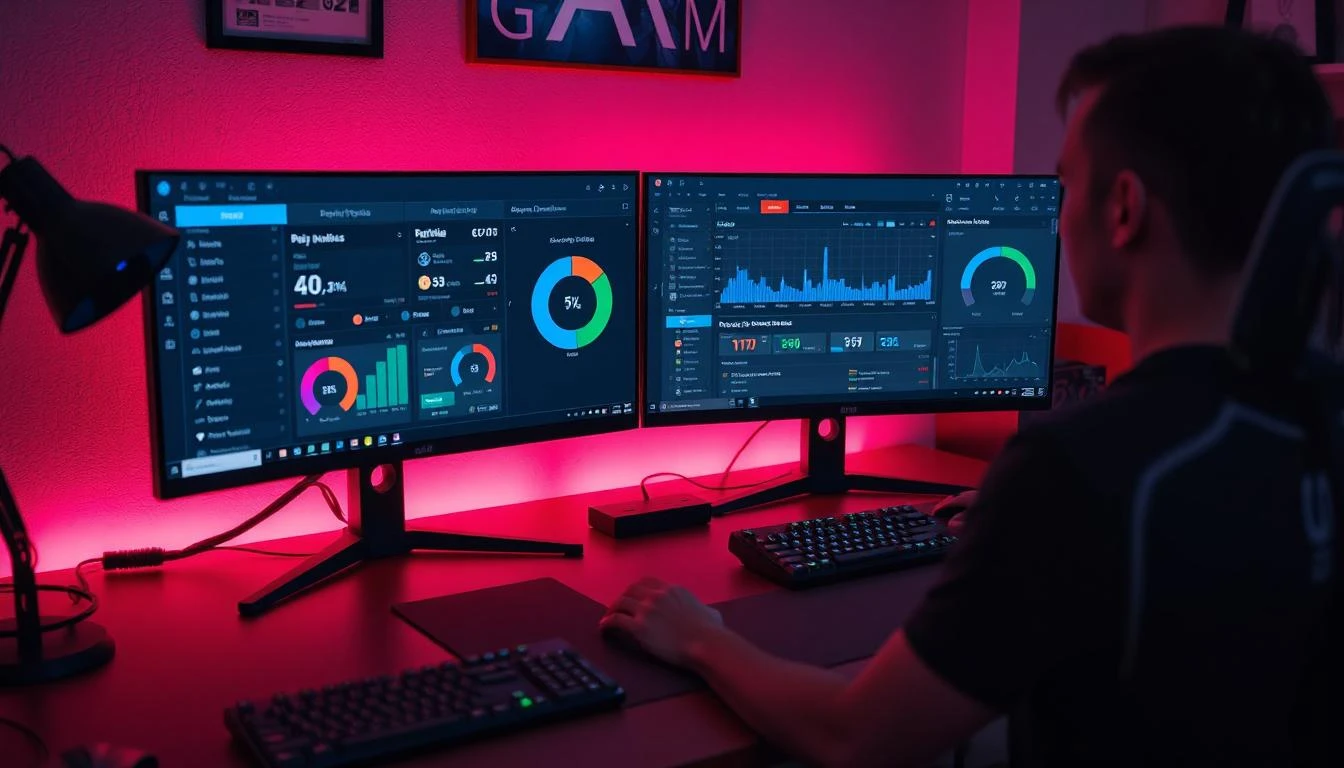
Gaming performance today isn’t just about owning powerful hardware, it’s about knowing how to make every component work in harmony. When your system feels slow, laggy, or inconsistent, it’s often not the PC itself but the way it’s configured and maintained that makes the difference. That’s where smart tuning starts to matter more than specs on paper.
Right in the middle of this optimization mindset lies the PC Optimization Guide, a structured approach that helps you unlock hidden system performance through smart adjustments, cleaner resource management, and better hardware-software balance. Instead of guessing what might improve FPS, this guide helps you think like a system architect, shaping your PC into a responsive and stable gaming machine.
Essential PC Performance Optimization Tips
Before diving into heavy tweaks, the real transformation begins with understanding how your system behaves under pressure. Many users overlook simple inefficiencies that quietly reduce speed and stability. Once you start noticing these small leaks in performance, everything becomes easier to fix.
gaming setup tips play a huge role here because even minor adjustments in background processes or startup behavior can significantly change your gaming experience.
Removing background applications
Unused applications running in the background are like invisible weight dragging your system down. Browser tabs, update services, and auto-sync tools often consume memory without notice. As Michael Reeves, a performance systems analyst, once said, “A clean runtime environment is often more impactful than a hardware upgrade.” This is where reducing unnecessary processes becomes essential for smoother gameplay and better responsiveness.
Updating drivers and system software
Outdated drivers can silently create instability, from stutters to FPS drops. Keeping your GPU and chipset drivers updated ensures compatibility with modern game engines and improves rendering efficiency. According to Sarah Lin, senior hardware engineer at NexaTech Labs, “Driver optimization is the bridge between raw hardware power and real-world gaming performance.”
Optimizing startup programs
When too many applications launch at boot, your system’s memory is already divided before you even start a game. Disabling unnecessary startup apps gives your PC a fresh, fast baseline every time you power on, improving both boot speed and in-game stability.
Gaming Hardware Setup for Best Performance
Now imagine your PC as a team of components working together. If one part is slower than the rest, the entire system slows down. That’s why hardware balance matters more than just buying the most expensive GPU or CPU.
The PC Optimization Guide mindset here focuses on harmony, not excess power, ensuring every component complements the others for maximum efficiency.
Choosing the right GPU and CPU balance
A strong GPU paired with a weak CPU creates a bottleneck that limits frame output. Matching processing power ensures smooth frame delivery and consistent performance in demanding titles. Think of it as coordination rather than competition between components.
RAM and storage configuration tips
Memory speed and storage type directly affect loading times and multitasking ability. Dual-channel RAM and SSD-based storage dramatically improve system responsiveness. Long-tail strategies like “how to reduce game loading time on PC SSD setup” are often used by competitive gamers to fine-tune performance further.
Monitor refresh rate and resolution setup
A high refresh rate monitor unlocks the full potential of your hardware. If your system can produce 120 FPS but your display is capped at 60Hz, you’re leaving performance on the table. Aligning display capability with GPU output creates a smoother visual experience that feels instantly more responsive.
Software Tweaks for Smooth Gaming Experience
Once hardware is balanced, software becomes the next battlefield for optimization. This is where subtle adjustments can create dramatic improvements in performance stability and input responsiveness.
Game mode and performance settings
Windows Game Mode prioritizes system resources for gaming applications, reducing interference from background processes. This helps maintain stable frame pacing, especially during resource-heavy gameplay sessions.
Overclocking basics safely
Overclocking allows your hardware to push beyond factory limits, but it must be done carefully. Small, controlled adjustments in clock speeds can improve FPS, but stability testing is essential to avoid crashes or overheating.
Cooling and temperature control
Heat is one of the biggest threats to consistent performance. Poor cooling leads to thermal throttling, where your system automatically slows down to protect itself. Keeping temperatures stable ensures your PC performs consistently even during long gaming sessions.
Start Building Your Ultimate Gaming Setup Now
At this point, optimization is no longer just technical, it becomes strategic. Every adjustment you make builds toward a more stable, responsive, and powerful system. The PC Optimization Guide approach shows that performance is not something you buy once, but something you continuously refine.